

Every nonprofit eventually reaches a moment when the day-to-day work isn’t enough. Your programs have outgrown your space. Your aging facilities can’t serve the people who need you most. Your endowment sits at a fraction of what you need for long-term stability. These aren’t problems that annual fundraising can solve.
This is where a capital campaign becomes essential. Unlike your annual fund, which keeps operations running, a capital campaign raises the significant dollars needed to transform your organization’s capacity. But launching one without proper preparation is a risk most boards can’t afford to take.
If you’re a board member or executive facing this decision, you need more than enthusiasm. You need a proven roadmap. What follows walks you through every phase of a successful capital campaign, from that first assessment of readiness all the way to closing out gifts and celebrating impact.
Table of Contents
What Makes Capital Campaigns Different from Annual Fundraising
A capital campaign is a time-bound, intensive fundraising effort designed to raise significant dollars for specific projects that build organizational capacity. Think building campaigns, endowment drives, major equipment purchases, or program expansions that require substantial upfront investment.
What sets capital campaigns apart from your annual fund? Three key differences:
Gift structure matters more than volume. Your campaign will succeed or fail based on 10 to 20 major gifts, not hundreds of small donations. This top-heavy gift pyramid demands a different approach to donor cultivation and solicitation.
Timeline and urgency create momentum. Unlike perpetual annual giving, campaigns have clear start and end dates. This defined timeframe creates urgency, motivating donors to make stretch gifts they might not otherwise consider.
Strategic sequencing drives results. You’ll raise 80-90% of your goal quietly before going public. This phased approach, starting with your largest prospects and moving down your gift chart, creates the momentum that makes campaigns successful.
Most capital campaigns fall into one of four categories. Building campaigns fund new construction or major renovations. Endowment campaigns create permanent funds that generate ongoing income. Equipment campaigns purchase major assets like medical technology or specialized vehicles. Comprehensive campaigns tackle multiple goals at once, often combining capital needs with endowment growth.
The current philanthropic trends actually favor campaign success. While donor numbers are declining across the sector, gift sizes from committed donors continue to grow. Campaigns naturally align with this reality because they’re built around securing fewer, larger gifts from your most invested supporters.
Assessing Whether Your Organization Is Campaign-Ready
Before you start planning timelines or setting dollar goals, you need an honest assessment of your readiness. Too many organizations jump into capital campaigns before they have the infrastructure to succeed, and the result is either a failed effort or one that drains staff and damages donor relationships.
Strong campaigns require four foundational elements. First, you need board commitment that goes beyond verbal support. Your board must be willing to give personally at levels that stretch their capacity and to ask others to do the same. If your board isn’t ready to lead with their own gifts, you’re not ready for a campaign.
Second, your donor data needs to be current and accessible. You should know who your top 50 to 100 donors are, what they’ve given historically, and what connection points they have to your organization. Weak donor data forces you to build your campaign on guesswork rather than strategy.
Third, you need staff capacity to manage intensive fundraising. A capital campaign will require significantly more time than your annual fund. The nonprofit sector faces significant workforce challenges, with ongoing pressure on staff resources across organizations of all sizes. Either your existing development team has the bandwidth to add campaign responsibilities, or you need to bring in additional support through experienced campaign counsel.
Fourth, your organization’s reputation in the community matters enormously. If you’re dealing with negative press, leadership transitions, or questions about your mission effectiveness, address those issues before launching a campaign. Donors make major gifts to organizations they trust completely.
Most organizations benefit from a pre-campaign readiness assessment. This internal review examines your fundraising infrastructure, board engagement, donor pipeline, and staff capacity. It identifies gaps you need to address before moving forward. Some organizations do this work internally. Others bring in consultants who can provide an objective perspective on areas leadership might not see clearly.
The assessment process typically reveals at least a few areas that need strengthening. That’s expected and healthy. The question isn’t whether you’re perfect (no organization is), but whether you’re willing to do the work needed to get ready. Small adjustments made early prevent major problems later.
Not every organization has a traditional board structure with wealthy, well-connected members. Small and grassroots organizations successfully run capital campaigns by adapting strategies to fit their realities. The key is identifying who in your community has the passion, influence, and connections to champion your cause, even if they don’t fit the conventional campaign volunteer profile.
Understanding Campaign Phases: A Strategic Timeline
Successful capital campaigns follow a deliberate sequence designed to maximize results while managing risk. Understanding these phases helps you set realistic timelines and know what’s coming next.
Pre-Campaign Planning Phase (3-6 Months)
You’ll begin by clarifying exactly what you’re raising money for and why it matters. Your project needs to be specific, compelling, and clearly tied to your mission. Vague goals like “we need to grow” don’t inspire major gifts. Specific goals like “build a 15,000-square-foot facility to double our program capacity” give donors something tangible to support.
During this phase, you’ll also develop preliminary campaign materials, identify your top donor prospects, and begin assembling your campaign leadership team. This groundwork happens before you talk to any donors about the campaign itself.
Feasibility Study Phase (3-4 Months)
The feasibility study tests your preliminary plans with the stakeholders who will ultimately make your campaign succeed or fail. You’ll interview board members, major donors, and other key supporters to gather their honest feedback on your project, your proposed goal, and their willingness to support the campaign.
This phase serves multiple purposes. It validates (or challenges) your assumptions about campaign scope and timing. It identifies your strongest prospects and their likely giving capacity. And it begins building the relationships you’ll need when you move into active fundraising.
Many organizations hesitate at the feasibility study phase because they worry about negative feedback. But discovering concerns early, when you can still adjust your plans, is far better than learning about problems after you’ve publicly committed to a specific goal. A good feasibility study makes your campaign stronger, not weaker.
Campaign Planning Phase (4-6 Months)
Armed with feasibility study findings, you’ll finalize your campaign goal, timeline, and strategy. This is when you develop your formal case for support (the document that articulates why your project matters and what it will accomplish), create your gift range chart (the roadmap showing exactly how many gifts at each level you need), and recruit your campaign committee.
You’ll also establish policies around gift acceptance, donor recognition, and pledge payment schedules. These decisions need to be made before you start soliciting, so everyone on your team is working from the same playbook.
Quiet Phase ( 18-24 Months)
The quiet phase is where capital campaigns are won or lost. During this period, you’ll solicit your top prospects for the lead and major gifts that will make up 80-90% of your total goal. These conversations happen one-on-one, with campaign volunteers who have peer relationships with each prospect.
The term “quiet” doesn’t mean secret. You’ll be talking openly about your project and your campaign. What stays quiet is your specific fundraising goal, which remains flexible until you’ve secured your largest gifts. This flexibility matters because your top gifts might come in higher or lower than expected, and you need room to adjust before going public.
Public Phase (4-6 Months)
Once you’ve raised 80-90% of your goal, you’ll launch publicly. This typically starts with a kickoff event that announces your campaign to the broader community, celebrates your early success, and invites wider participation.
During the public phase, you’ll solicit mid-level and smaller gifts through broader outreach. This includes direct mail, email campaigns, events, and public appeals. While individual gifts are smaller, this phase brings in the final 10-20% needed to reach your goal and significantly expands community engagement with your mission.
Campaign Closeout and Celebration – Happens within the Public Phase
As you approach your goal, you’ll shift focus to closing outstanding pledges, fulfilling donor recognition commitments, and planning a celebration that thanks everyone who made your success possible. This final phase also includes collecting lessons learned and documenting what worked (and what didn’t) for future reference.
Many organizations make the mistake of declaring victory and moving on too quickly. The closeout phase matters because it sets the tone for your post-campaign donor relationships and determines whether supporters feel properly valued for their contributions.
Developing a Case for Support That Inspires Philanthropy
Your case for support is the foundation of all capital campaign communications. This document (typically 6-88 to 12 pages) articulates why your project matters, what it will accomplish, and why and why now donors should invest in making it happen. Every conversation, brochure, and presentation will draw from this core narrative.
The best cases tell a story rather than listing facts. You’re not just describing a building or an endowment. You’re painting a picture of the transformed impact that will be possible once you succeed. Donors give to change lives, not to fund construction projects. Your case needs to connect your capital needs to your mission in ways that inspire commitment.
Start with the need or opportunity that drives your project. What problem exists today that your campaign will solve? What potential could you unlock with adequate resources? This isn’t abstract. You need specific examples of people or communities affected by your current limitations and how they’ll benefit from your expanded capacity.
Next, explain your solution. Describe what you plan to build, create, or establish. Include enough detail that donors can visualize the outcome, but don’t get lost in technical specifications. Most donors care more about impact than square footage.
Connect your project to a proven track record. Show that your organization has the credibility and capability to execute on this vision. Include highlights from your history, evidence of effective programs, and leadership credentials that give donors confidence in your ability to deliver results.
Address the financial structure clearly. State your campaign goal, explain how you calculated that amount, and show how funds will be allocated. Transparency builds trust. Donors making six- and seven-figure commitments want to know that you’ve done your homework on costs. In an environment where wealth inequality raises the stakes for clarity and accountability, donors increasingly expect detailed information about how their gifts will be used and what impact they’ll create.
Finally, include a clear call to action. Don’t just inform. Invite participation. Explain how donors at different giving levels will be recognized and what their support will make possible.
Your case won’t be written in isolation. You’ll test it during your feasibility study and refine it based on feedback. By the time you start soliciting gifts, your case should have been reviewed by board members, staff, and trusted advisors. Every major donor prospect should see it and hear it presented in person.
Conducting a Feasibility Study That Actually Guides Decisions
The feasibility study is your capital campaign’s critical early test. Done well, it provides the intelligence you need to make confident decisions about scope, timing, and strategy. Done poorly, it wastes time and money while leaving you no better informed than when you started.
At its core, a feasibility study involves confidential conversations with 300 to 40 key stakeholders. You’re asking three fundamental questions: Do they understand and support your project? Do they believe the campaign is achievable? And will they personally support it financially?
The process begins with selecting the right people to interview. Your list should include board members, major donors, community leaders, foundation representatives, and anyone else whose financial support or influence will impact your campaign’s success. These aren’t random supporters. They’re the specific individuals whose involvement you need.
Each interview follows a structured format but allows room for genuine conversation. You’ll present your preliminary plans, explain your proposed goal, and ask for honest reactions. The best interviews feel more like strategy sessions than interrogations. You’re genuinely seeking input, not just testing talking points.
What you learn from these conversations is remarkably valuable. You’ll discover which aspects of your project resonate most strongly and which elements need clearer articulation. You’ll identify concerns that need addressing before you can ask for gifts. And you’ll begin to understand each prospect’s likely giving capacity based on their expressed level of interest.
Once interviews are complete, you’ll analyze what you learned and make strategic adjustments. Maybe your goal needs to come down because capacity isn’t as strong as you hoped. Maybe you need to refine your project description to better connect with donor values. Maybe you’ve discovered that certain board members or community leaders need more cultivation before they’re ready to advocate for the campaign.
The feasibility study report should provide clear recommendations, not just data dumps. You need to know whether to proceed, what adjustments to make, and who your strongest prospects are. A good report gives you confidence in your next steps.
Building Your Campaign Team and Leadership Structure
No staff member or board chair can run a capital campaign alone. Success requires assembling the right team and clarifying everyone’s roles from the start.
Campaign Planning Committee
The Campaign Planning Committee will oversee the planning and preparation phase of the proposed capital campaign, meeting regularly over approximately six months to review and recommend campaign goals, objectives, the overall financial plan, and the likelihood of success; approve a compelling and comprehensive case for support; review the any recommendations to improve infrastructure; and recommend the campaign budget, timetable, and actions to strengthen organizational readiness. The committee will also identify donor recognition and acknowledgement opportunities, recommend campaign counting and pledge policies, review marketing materials, and assist in identifying and recruiting effective campaign leaders and members, as well as rating and identifying lead gift prospects. Additionally, the committee will advise on community education and donor cultivation strategies and may host, plan, or participate in donor cultivation events, tours, or other engagement activities.
Campaign Chair
Your campaign chair (or co-chairs) provides the public face of leadership. This person needs credibility in your community, passion for your mission, and willingness to make a substantial personal gift. They’ll chair committee meetings, participate in major gift solicitations, and advocate for the campaign in community settings.
Most campaign chairs come from your board, but some organizations recruit community leaders who aren’t currently board members. Either works, as long as the individual has the influence and time to fulfill the role effectively.
Campaign Committee
Your campaign committee typically includes 10 to 20 individuals who will help identify prospects, open doors to potential donors, and make solicitation calls. Strong committees include people with wealth, people with influence, and people with genuine commitment to your mission. Ideally, you’ll find volunteers who bring all three qualities.
Committee members serve specific functions. Some will be your best solicitors, comfortable making face-to-face asks. Others will provide strategic counsel on donor cultivation approaches. Still others will help with specific events or phases of the campaign.
Staff Roles
Your executive director and development director will be deeply involved throughout the campaign. They’ll manage day-to-day operations, prepare materials, coordinate with consultants, and ensure that solicitation plans stay on track.
Some organizations hire a dedicated campaign manager to oversee logistics and free up existing staff for donor relations. Others assign campaign responsibilities to current team members, reducing their other duties during the campaign period.
Consultant Partnership
Many capital campaigns involve outside consultants who provide expertise, accountability, and additional capacity. Organizations that engage professional counsel typically see stronger results because they benefit from decades of accumulated campaign wisdom applied to their specific situation.
Consultants can lead your feasibility study, guide campaign planning, train volunteers, manage timeline and accountability, and provide objective advice when challenges arise. The right consultant becomes an extension of your team, not an outside vendor.
Whether you choose resident counsel (on-site regularly throughout the campaign) or project counsel (involved at specific phases) depends on your budget and internal capacity. Both models work when matched appropriately to organizational needs.
Executing the Quiet Phase: Where Campaigns Are Won
The quiet phase deserves its reputation as the most critical period in any capital campaign. This is when you secure the lead and major gifts that will determine whether your campaign succeeds modestly or succeeds spectacularly.
Success starts with your gift range chart. This tool shows exactly how many gifts at each level you need to reach your goal. A typical chart for a $5 million campaign might look like this:
- 1 gift at $1,000,000+
- 2 gifts at $500,000
- 4 gifts at $250,000
- 8 gifts at $100,000
- 15 gifts at $50,000
These numbers follow the 80/20 or 90/10 principle. Your top 10 to 15 gifts will provide 80-90% of your total. This concentration means that identifying and cultivating your top prospects properly matters more than any other factor in campaign success.
You’ll approach prospects in a specific sequence. Start with your absolute best prospect for the lead gift (that top gift that sets the standard for all others). This might be a foundation, a board member, or a long-time major donor with the capacity to give at transformational levels.
Once you’ve secured that lead gift, work through the rest of your top tier before moving to the next level. This top-down approach creates momentum. When you approach someone for a $250,000 gift, you want to be able to tell them that someone else has already committed $500,000 or more. That context helps donors understand appropriate giving levels and gives them confidence in the campaign’s viability.
Each solicitation should be face-to-face and involve peers. Board members solicit board members. Major donors solicit other major donors. Community leaders solicit community leaders. These peer relationships matter enormously in encouraging stretch gifts.
Understanding What Motivates Major Donors
The solicitation process has three parts. First, you cultivate the relationship through conversations, site visits, and involvement in planning. You’re not asking yet. You’re building understanding and gauging interest.
During cultivation, curiosity and deep listening become your most valuable practices. Ask questions that help donors talk about who they are, what they think, and why they care. Understanding their values, their connection to your mission, and what kind of impact matters most to them helps you craft an ask that resonates personally rather than generically.
Second, you make the ask. This happens in person, typically with two people (a volunteer and a staff member). You’ll present your case, explain how the donor’s gift fits into the campaign, and ask for a specific amount. Then you’ll stop talking and wait for their response.
Third, you follow up persistently but graciously. Most major gifts require multiple conversations before a donor is ready to commit. You’ll answer questions, provide additional information, and give the prospect time to consider their decision.
Throughout the quiet phase, you’ll track progress against your gift chart. If you’re falling behind in a certain range, you know you need to add more prospects at that level. If gifts are coming in above your projections, you might raise your goal before going public.
The quiet phase typically lasts six to 18-24 months. Don’t rush it. Taking the time to secure strong early gifts properly is far better than declaring success prematurely and struggling to close the gap later.
Launching Your Public Phase and Engaging Broader Community Support
Once you’ve raised 80-90% of your goal through major gifts, you’re ready to go public. This phase transition marks a fundamental shift from intensive one-on-one cultivation to broader community engagement.
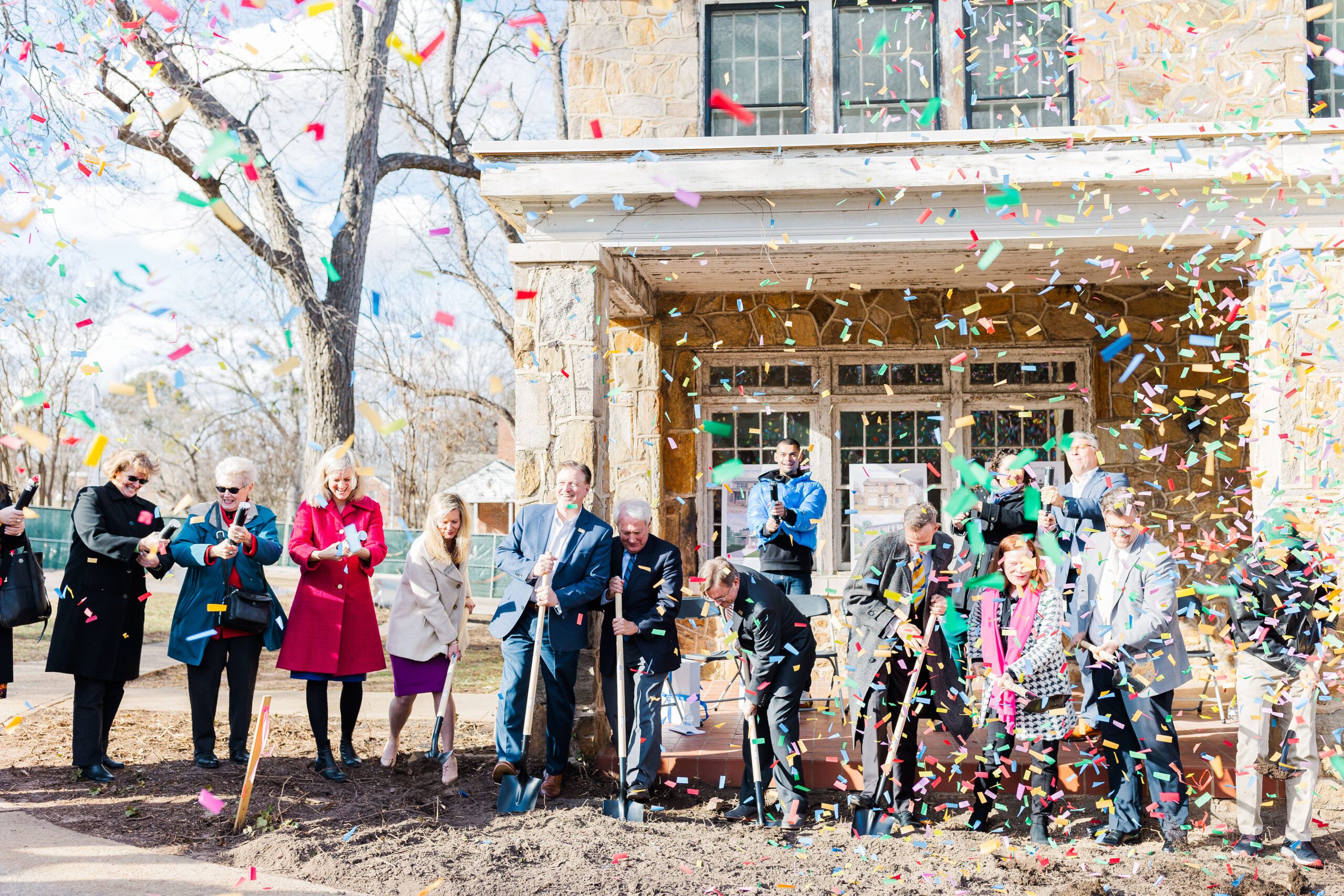
Your public launch typically centers on a kickoff event. This might be a groundbreaking ceremony if you’re building, a gala celebration, or a community gathering. The event serves multiple purposes: announcing your campaign publicly, celebrating early success, and inviting wider participation.
The messaging at your kickoff event matters. You’re not saying “we need help.” You’re saying “we’re succeeding and invite you to join a winning effort.” This distinction is crucial. People want to be part of something that’s already working, not rescue something that’s struggling.
During the public phase, your fundraising approach expands to include methods you’ve held back until now. You’ll launch direct mail campaigns, email appeals, social media fundraising, crowdfunding components for specific needs, fundraising events, and peer-to-peer campaigns.
These tactics work differently from quiet phase cultivation. You’re reaching people who can’t give at major gift levels but want to be part of your success. Their individual gifts may be smaller, but collectively they provide the final 30-40% needed to reach your goal.
Your capital campaign communications need to maintain momentum throughout the public phase. Regular updates on progress toward the goal, stories of campaign impact, recognition of new donors, and countdown messaging as you approach your target all keep people engaged and giving.
Don’t neglect mid-level prospects during the public phase. Donors capable of giving $5,000 to $25,000 still deserve personal attention. They’re not direct mail prospects. They need phone calls, personal notes, and face-to-face meetings when possible. Your campaign committee should continue making solicitation calls throughout the public phase, just with a broader range of prospects.
Event fundraising during campaigns requires careful planning. Events should advance your campaign goal, not just generate modest net revenue. A golf tournament that nets $15,000 but requires 200 hours of staff time probably isn’t worth it. A donor appreciation event that strengthens relationships and leads to three $50,000 gifts definitely is.
The public phase often reveals surprising sources of support. Donors who weren’t on your radar during planning emerge as strong supporters. Community groups organize their own fundraising efforts to support your campaign. These unexpected gifts confirm that you’ve built real momentum.
Managing Campaign Finances, Policies, and Donor Relations
The operational side of capital campaigns requires as much attention as the fundraising strategy. Clear policies established early prevent misunderstandings and ensure consistency in how you handle gifts, recognition, and pledge management.
Gift Acceptance Policies
You need written policies that address which gifts you’ll accept (and which you won’t), how you’ll handle stock gifts and other non-cash donations, your policies on naming opportunities and recognition, pledge payment schedules and terms, and what happens if a project changes after a gift is received.
These policies should be reviewed by legal counsel and approved by your board before you accept your first campaign gift. You don’t want to be making up rules in the middle of negotiations with major donors.
Gift bunching has become an increasingly common practice among major donors. This tax strategy involves making multiple years’ worth of charitable contributions in a single tax year to maximize deductions, then taking the standard deduction in subsequent years. Your pledge policies should accommodate donors who want to structure their campaign gifts this way, as it can actually benefit both the donor and your cash flow.
Budget Management
Fundraising best practices allocate up to 5-7% of funds raised as a standard in estimating campaign fundraising expenses (higher amounts may address missing components in development staffing or operations). Your budget should include consultant fees (if using outside counsel), campaign materials (brochures, videos, website), donor recognition items and naming plaques, events, and staff time allocated to campaign work.
Track campaign expenses separately from operating costs. Donors who make restricted gifts for specific purposes want confidence that their funds are being used as intended. Clear accounting prevents questions about how campaign dollars are spent.
Pledge Management
Most major gifts come as pledges paid over three to five years. You need systems to track pledge balances, send payment reminders, record pledge changes or cancellations, and follow up when payments fall behind schedule.
Some pledge attrition is normal. Plan for about 5-10% of pledged dollars to ultimately go uncollected due to donor circumstances changing. This is why you need reserves built into your budget rather than spending every pledged dollar immediately.
Donor Recognition
Your recognition plan should be established before you start soliciting. Donors making decisions about gift levels want to know how they’ll be acknowledged. Options include naming opportunities (buildings, rooms, programs, endowed positions), donor walls or plaques, published donor lists by giving level, special events or briefings for major donors, and permanent recognition in annual reports.
Match recognition to donor preferences. Some donors want visibility. Others prefer anonymity. Build flexibility into your recognition program so you can honor both types appropriately.
Stewardship Throughout Campaign
Don’t wait until the campaign ends to thank donors. Stewardship should be continuous. Send personal thank you notes within 48 hours of every gift. Provide regular progress updates to all donors. Invite campaign supporters to special briefings or site visits. And recognize milestone moments (groundbreaking, halfway point, campaign completion).
Strong stewardship during your capital campaign builds the donor loyalty that will sustain your annual giving after the campaign ends. Understanding how to retain year-end donors and translate that seasonal giving into sustained support applies equally to campaign donors. Treat every campaign donor as a potential long-term partner, not just a one-time contributor.
Addressing Common Campaign Challenges Before They Derail Progress
Even well-planned capital campaigns encounter obstacles. Recognizing common challenges early and knowing how to respond keeps your campaign on track.
Board Members Who Won’t Ask
One of the most common frustrations is board members who agreed to serve on the campaign committee but prove reluctant to actually make solicitation calls. This often stems from fear rather than unwillingness.
The solution is training. Most people have never asked for large gifts and don’t know what to say or do. Provide scripted talking points, role-play scenarios, and pair reluctant board members with experienced volunteers on their first few calls. Success builds confidence.
If some board members truly can’t or won’t solicit, find other ways they can contribute. They might host events, make introductions, or provide strategic advice. But be clear upfront about expectations. Board members should know what’s required before agreeing to serve on the committee.
Slow Pledge Payments
When donors fall behind on pledge payments, you need to follow up promptly but graciously. Often, there’s a simple explanation (they forgot, the contact person changed, the check got lost). A friendly reminder resolves most issues.
For larger problems (donor’s financial situation has changed significantly), be willing to renegotiate. A pledge paid over seven years instead of three is better than a canceled pledge. Your goal is to preserve the relationship and secure the gift, not enforce rigid terms.
Economy or Crisis Disrupts Timeline
External events occasionally force campaign adjustments. Economic downturns, natural disasters, organizational crises, and leadership transitions can all impact donor capacity or willingness to give.
The decision whether to pause or continue depends on the situation’s severity and duration. Minor disruptions rarely justify stopping momentum. Major crises might require a brief pause to regroup. Work with your campaign leadership and consultant (if you have one) to assess impact and adjust strategy accordingly.
Trying to time the market for optimal campaign conditions rarely works. Economic conditions will shift during any multi-year campaign. What matters more is the strength of your case and relationships. Organizations that delay campaigns waiting for perfect timing often wait indefinitely.
Goal Seems Out of Reach
If you reach the public phase but remain significantly short of your goal, you have several options. You might extend the timeline to give more time for gifts to come in. You might scale back the project to match available funding. Or you might increase fundraising intensity with additional events or appeals.
What you shouldn’t do is lower your stated goal publicly. That sends a message of failure even if you raise substantial funds. Instead, complete your campaign at whatever level you reach and celebrate that success while being transparent about next steps for any unmet needs.
Consultant Relationship Issues
If you’re working with outside counsel and the relationship isn’t working well, address problems directly and quickly. Most issues can be resolved through honest conversation about expectations and communication preferences. If problems persist, your consultant contract should include provisions for ending the relationship professionally.
Frequently Asked Questions About Capital Campaigns
How long should a capital campaign last?
Most successful capital campaigns run between two and five years from planning through closeout. The quiet phase typically takes 18-24 months, the public phase 4-6 months, and planning/closeout add another year combined. Campaigns shorter than two years often don’t allow enough time to cultivate major gifts properly. Campaigns longer than five years risk losing momentum and volunteer energy. Your specific timeline depends on your goal size, donor base size, and staff capacity.
Can we run a capital campaign without hiring a consultant?
Yes, some organizations successfully manage capital campaigns internally, particularly smaller campaigns under $2 million or when board members bring professional fundraising expertise. However, campaigns with consultants typically raise more money and experience fewer problems. The right consultant brings decades of accumulated wisdom about what works, provides accountability when momentum lags, and offers objective perspective when internal politics complicate decisions. Professional counsel usually pays for itself through increased results and reduced staff burnout.
What’s the minimum board giving participation rate we need?
You need 100% board participation before launching your capital campaign publicly. Not 95%. Not “everyone except those two board members.” One hundred percent. Major donors evaluate board commitment before making their own decisions. If board members won’t invest in the campaign, why should anyone else? The gift amounts will vary based on individual capacity, but every board member needs to give at a personally significant level. Organizations that launch campaigns without full board participation consistently struggle to reach their goals.
How do we handle competing priorities during a campaign?
Your annual fund doesn’t stop during a capital campaign. Neither do your planned giving efforts or major gift cultivation for operating support. The key is segmentation and clear messaging. Some donors will give to both the campaign and annual fund. Others will focus their giving in one area. Don’t assume donors can only support one priority. Present both opportunities and let donors decide where they want to focus. Many major donors actually increase their total giving during campaigns because the organization’s ambitious vision inspires greater confidence and engagement.
What if our executive director leaves in the middle of the campaign?
Leadership transitions during campaigns are surprisingly common and don’t have to derail progress. The campaign chair and committee provide continuity while you search for new leadership. Your strongest donors care about the organization’s mission and the campaign’s goals, not just the executive director personally. Communicate openly about the transition, maintain campaign momentum through your volunteer leadership, and ensure your new executive understands their role in completing the campaign. Many campaigns actually gain strength during transitions because the new executive brings fresh energy and perspective.
Should we count planned gifts toward our campaign goal?
This depends on your campaign structure and how you communicate the goal. Traditional practice counts only cash and pledges receivable within the campaign period (typically 3-5 years). Some campaigns create separate categories for planned gift commitments, acknowledging them publicly but not counting them toward the primary goal. If you decide to count planned gifts, be transparent about this in all campaign communications and verify commitments with documentation. Never count a verbal “intention” to include your organization in someone’s will. Only documented commitments belong in campaign totals.
How do we keep the campaign from cannibalizing our annual fund?
The concern about capital campaigns hurting annual giving is common but usually unfounded when you execute both fundraising streams properly. Strategic fundraising that integrates multiple revenue streams works better than treating each effort as competing for limited donor dollars. Present the annual fund as the foundation that keeps programs running while the campaign builds future capacity. Segment your solicitations so major donors hear both cases appropriately, and mid-level donors aren’t overwhelmed with constant asks.
What happens if we don’t reach our goal?
Not reaching your publicly stated goal feels like failure, but the real measure is whether you raised transformational funding that advances your mission. If you set a $5 million goal and raise $4.2 million, you haven’t failed. You’ve secured $4.2 million you didn’t have before. Complete the campaign, celebrate what you accomplished, scale your project to match available funding, and be transparent with donors about adjustments. Many “failed” campaigns actually represent significant fundraising success when viewed objectively. The organizations that truly fail are those that never tried because they feared falling short.
How are foundations approaching campaign support differently now?
Foundations and institutional funders are becoming more strategic about capital campaign support. They’re asking tougher questions about organizational sustainability, demanding clearer impact metrics, and often requiring evidence of broad community support before committing their funds. Many foundations now prefer to fund specific campaign components (like endowment portions) rather than making unrestricted campaign gifts. Build these conversations early in your planning process rather than assuming foundation support will materialize.
Closing Your Campaign and Celebrating Success
As you approach your goal, the temptation is to declare victory and move on. Resist that urge. The closeout phase matters as much as any other part of your capital campaign.
You’ll need to collect remaining pledge payments (most will come over multiple years, but ensure payment schedules are clear), fulfill donor recognition commitments (if you promised naming opportunities, dedicate them formally), complete your project (if building, finish construction; if endowment, document the fund’s establishment), document lessons learned, and plan a proper celebration.
Your celebration event should thank everyone who made the success possible. Include donors at all levels, campaign volunteers, board members, and staff. This isn’t primarily a fundraising event (though some organizations do a final push for fence-sitters). It’s a genuine thank you and recognition of collective achievement.
Consider these elements for your celebration: recognition of campaign leadership (especially your chair), public acknowledgment of top donors (those who want recognition), visual demonstration of impact (architectural renderings, video of programs in action, testimonials from beneficiaries), and a clear statement of what comes next for the organization.
The celebration also provides closure for volunteers who’ve invested significant time in the campaign. Many will have served for two or three years. Acknowledging their contribution and officially releasing them from campaign duties lets them transition back to other priorities while remaining engaged with your organization.
What Comes After Campaign Success
Campaign completion isn’t the end of your fundraising work. It’s the beginning of a new phase in your organization’s development.
First, you need to transition from campaign mode back to sustainable annual operations. Some campaign donors will continue supporting your annual fund. Others made one-time commitments and won’t give again immediately. You need realistic projections about post-campaign giving patterns.
Second, you should conduct a formal campaign evaluation. What worked better than expected? What took more effort than planned? What would you do differently next time? Document these lessons while they’re fresh. Your next campaign (or another organization learning from your experience) will benefit from this honest assessment.
Third, plan how you’ll steward campaign donors into ongoing relationships. Major donors who gave to your campaign might become planned giving prospects, annual leadership donors, or advocates for your next big initiative. Don’t let these relationships go cold.
Fourth, tell the story of your campaign’s impact. Once your building opens, your program launches, or your endowment begins generating income, share those results with everyone who contributed. Show donors that their investment produced the change you promised. This impact reporting reinforces their decision to give and positions them to consider future support.
Organizations that successfully complete capital campaigns often report benefits beyond the dollars raised. Your board becomes more engaged and confident in their fundraising role. Your donor relationships deepen. Your staff gains expertise in major gift fundraising. Your community sees your organization as capable of achieving big goals.
These intangible benefits position you for continued growth. A successful campaign changes how donors, community leaders, and your own team view your organization. You’re no longer just keeping programs running. You’re building something significant.
Making Your Campaign Decision
If you’ve read this far, you’re serious about whether a capital campaign makes sense for your organization. The question now is what to do with what you’ve learned.
Start with an honest assessment. Do you have the board commitment, donor capacity, staff resources, and community support needed to succeed? If the answer isn’t clearly yes, identify what needs to be strengthened before you proceed.
Talk to organizations similar to yours that have completed campaigns recently. What was their experience? What surprised them? What advice would they give? These peer conversations often reveal insights you won’t find in written resources.
Consider whether you need outside help. Some organizations successfully run campaigns with internal resources alone. Others benefit enormously from experienced campaign counsel who bring expertise and accountability. There’s no shame in recognizing that bringing in professionals will improve your odds of success.
Most importantly, remember that campaigns succeed when they’re driven by genuine need and authentic relationships. If you’re considering a capital campaign primarily because other organizations are doing them, or because someone suggested you should, stop and reconsider. Campaigns work when your community genuinely cares about what you’re trying to accomplish and sees itself as partners in making it happen.
The best campaigns feel less like intense fundraising pushes and more like collaborative community efforts to solve important problems. When you’ve built that kind of shared commitment to your mission, you’re not just ready for a campaign. You’re ready to succeed.
CapDev’s philanthropy team has guided hundreds of nonprofits through successful campaigns across every sector. Whether you’re assessing readiness, conducting a feasibility study, or looking for full campaign management support, our experienced consultants help you navigate every phase with confidence. Connect with us to discuss how we can support your organization’s transformational fundraising goals.
Return to Insights & Events